
-
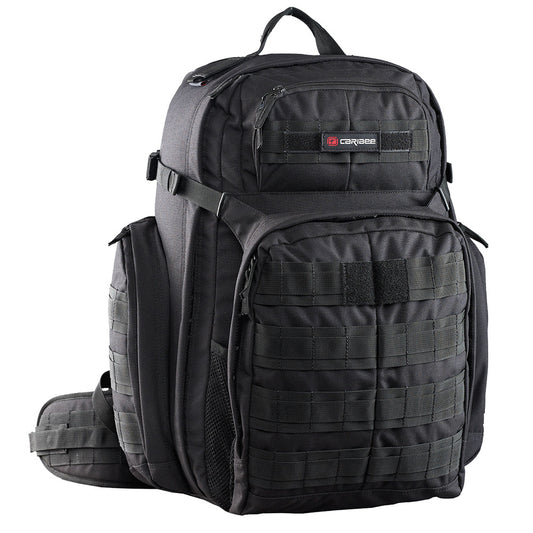
Caribee Op's 50L Backpack
Regular price $129.00Regular price -
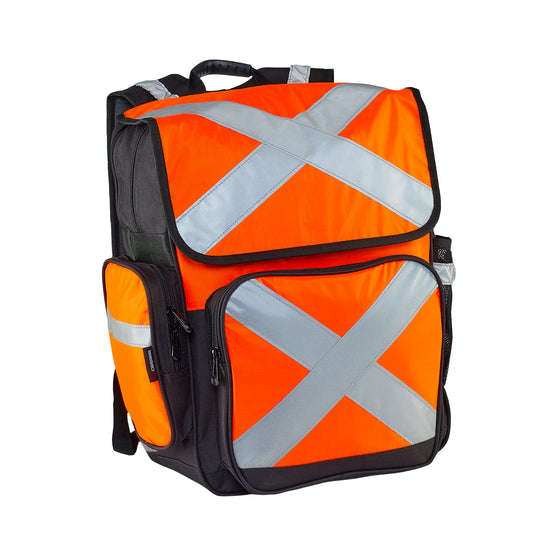
Caribee Mineral King 32L Hi-Vis Safety Backpack
Regular price $109.95Regular price -
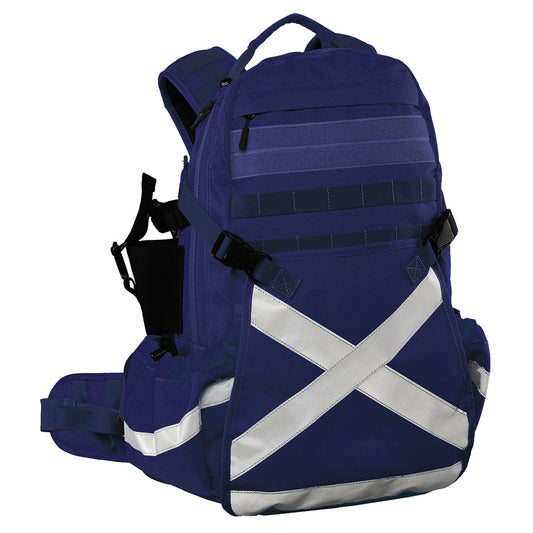
Caribee Pilbara 34L Safety Backpack
Regular price $109.95Regular price -
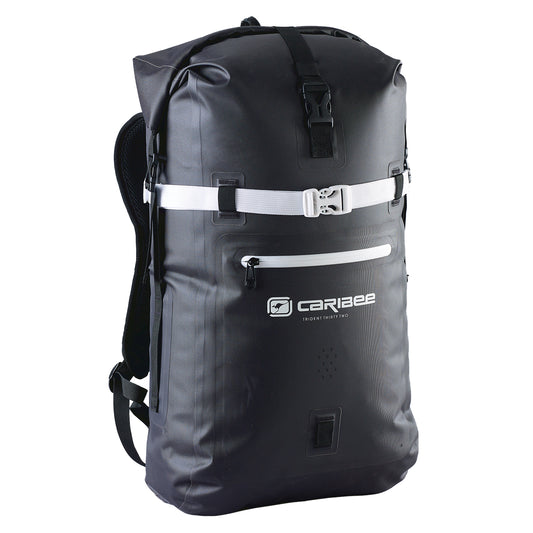
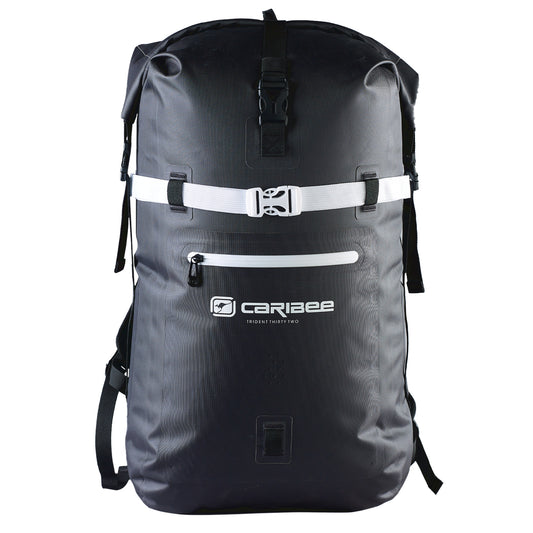
Caribee Trident 32L Waterproof Backpack
Regular price $99.95Regular price -
Caribee Switchback 32L Safety Backpack
Regular price $89.95Regular price$99.95Sale price $89.95Sale -
Caribee Calibre 26L Safety Backpack
Regular price $79.95Regular price



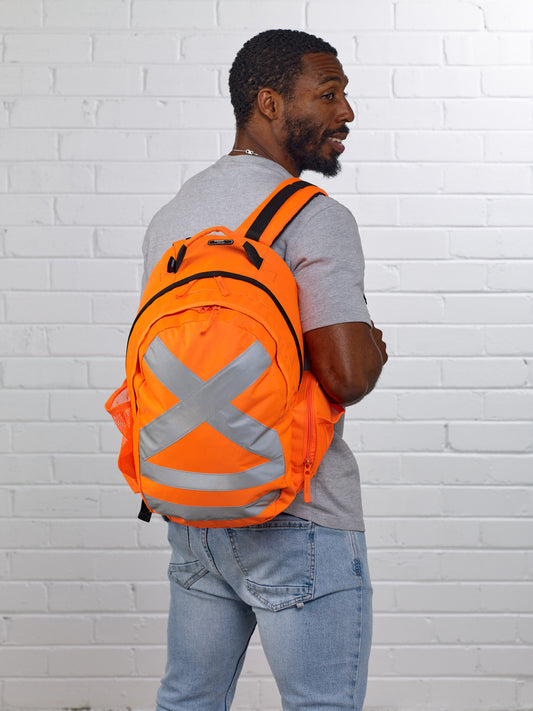

Choosing the Right Backpack for Work
The right work backpack depends on what you need to carry, how much space you require and the conditions in which it will be used. Caribee offers different backpack capacities and designs to suit a range of workplace and outdoor requirements.
Smaller backpacks such as the 26L Calibre can suit everyday work essentials, while 32–34L backpacks provide additional space for clothing, PPE, equipment and personal gear. Larger packs such as the 50L Op's provide greater capacity when you need to carry more equipment or spend longer periods away from your base.
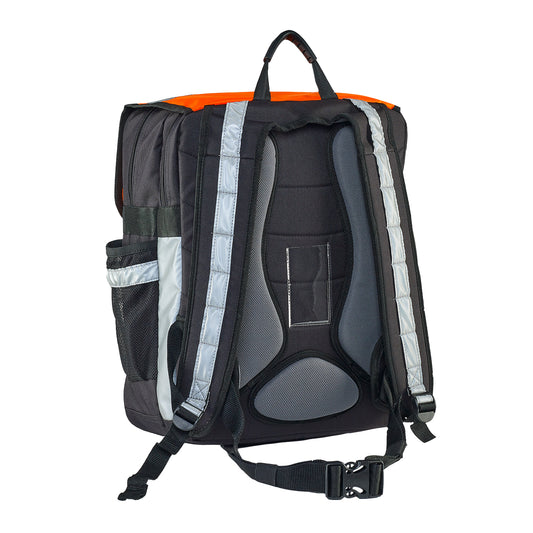
Also consider the features that matter most for your working environment. Depending on the model, Caribee backpacks can include organised compartments, supportive harness systems, high-visibility materials and reflective detailing, waterproof construction or larger-capacity storage.
Always check the individual product specifications to confirm capacity, features and construction before selecting a backpack for your particular workplace requirements.
Work Backpack Guide
Understanding Work, Mining & FIFO Backpacks
Learn more about work backpacks, mining site backpacks and FIFO bags, including capacity, organisation, carrying comfort and specialist features to consider when selecting a backpack for demanding work environments.
What Should I Look for in a Mining or Worksite Backpack?
A backpack used on a mine site or other demanding worksite needs to suit the equipment you carry, the conditions you work in and the amount of time you spend moving around the site. Consider capacity, durability, organisation, carrying support and visibility when selecting a work backpack.
Depending on the model, useful features can include multiple storage compartments, supportive harness systems, sternum straps, hip belts, hydration compatibility, high-visibility materials and reflective detailing. A backpack with dedicated storage can also make it easier to separate work equipment, personal items and everyday essentials.
Always check the individual product specifications and your workplace requirements before selecting a backpack for a particular mine site or work environment.
What Size Backpack Do I Need for FIFO Work?
The right capacity for FIFO work depends on what you need to carry to and from site and whether the backpack is being used as your primary work bag or alongside other luggage. Consider the amount of work clothing, PPE, personal equipment, electronics and everyday essentials you normally carry.
A 26L backpack can suit lighter everyday work requirements, while 32–34L backpacks provide additional space for site equipment, clothing and personal gear. Larger backpacks such as the Caribee Op’s 50L provide substantially more capacity for larger equipment loads, extended field work or situations where additional storage is required.
For FIFO travel, also consider the practical difference between a backpack used for carrying your work essentials and a larger gear bag used for clothing and bulkier equipment. The right combination depends on your employer’s requirements, travel arrangements and what you need to carry between home and site.
What Makes a Good Mine Site Backpack?
A good mine site backpack should provide a practical combination of storage, durability, carrying comfort and features suited to the working environment. Mine site workers may need to carry PPE, clothing, personal equipment, hydration and other everyday work essentials while moving between work areas.
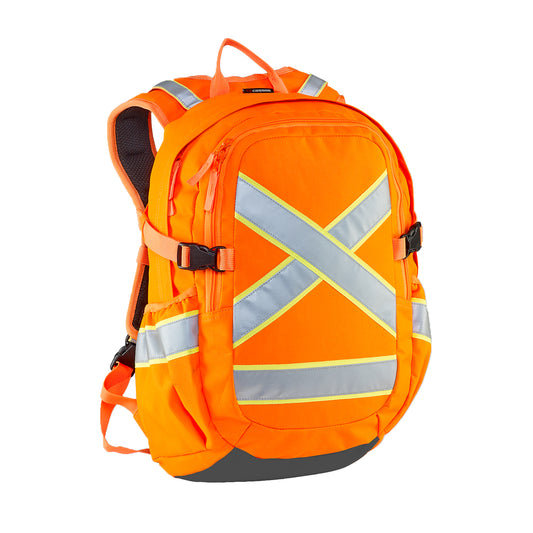
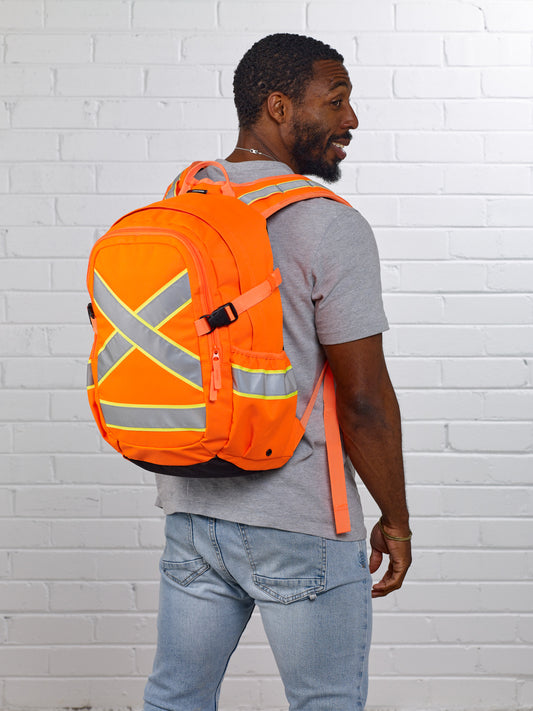
High-visibility backpacks can be useful where increased visibility is an important part of the working environment. Selected Caribee safety backpacks feature high-visibility materials and Day/Night reflective tape that meets applicable AS/NZS requirements for high-visibility reflective materials.
For larger equipment loads, a backpack with a structured harness, sternum strap and hip belt can provide additional support. The Caribee Op’s 50L, for example, features a supportive harness system with an internal aluminium stay, padded hip belt and sternum strap to help support larger loads.
What Should I Carry in a FIFO or Mine Site Backpack?
What you carry will depend on your role, site requirements and whether your employer supplies PPE or other equipment. A work backpack may be used for items such as personal essentials, work clothing, smaller PPE items, hydration, electronics, documentation and other equipment required during the working day.
Organisation becomes particularly useful when a backpack is used regularly on site. Separate compartments and external pockets can help keep frequently accessed items organised and make it easier to find smaller equipment without unpacking the entire bag.
Before travelling to a mine site, always follow your employer’s instructions regarding required PPE, prohibited items, baggage limits and site-specific equipment requirements.
When Should I Choose a Hi Vis or Waterproof Backpack?
Choose a high-visibility backpack when increased visibility is an important consideration for your working environment. Selected Caribee safety backpacks are designed for demanding industrial environments including mining, rail, construction and FIFO work, with high-visibility materials and reflective detailing.
Choose a waterproof backpack when protecting the contents from water is a key requirement. Waterproof construction provides a higher level of water protection than a standard or water-resistant backpack, depending on the design and how it is used.
If your workplace has specific visibility, weather protection or PPE requirements, check the individual product specifications and site requirements before selecting a backpack.
Frequently Asked Questions
Are Caribee backpacks suitable for mining and worksite use?
Yes. Selected Caribee backpacks are designed for demanding work environments including mining, construction, rail, transport, infrastructure and field work. Different models provide different capacities, carrying systems, storage configurations and visibility features to suit different workplace requirements.
For mine sites and other controlled workplaces, always check the individual product specifications and your employer’s site requirements before selecting a backpack.
Can I use a Caribee high visibility backpack for rail work?
Yes. Selected Caribee high visibility backpacks are designed for rail, transport and infrastructure work, making them suitable for workers who need practical storage and increased visibility while moving around demanding work environments.
The Caribee Calibre 26L, Pilbara 34L and Mineral King 32L are used in Australian rail and transport environments, including by rail operators and freight and logistics businesses. Their high visibility materials and reflective X pattern detailing make them practical options for workers who need a backpack that complements their high visibility workwear.
Rail operators can have specific requirements for high visibility clothing, equipment and accessories. Always confirm the requirements of your employer, operator or individual rail site before selecting a backpack.
Which Caribee backpacks are high visibility?
Caribee’s high visibility backpack range includes models such as the Calibre 26L, Mineral King 32L, Pilbara 34L and Switchback 32L. These backpacks combine high visibility materials with reflective detailing for use across demanding work environments.
Selected models feature Day/Night reflective tape that meets applicable AS/NZS requirements for high-visibility reflective materials. Always check the individual product specifications for the particular backpack you are considering.
Which Caribee backpacks are suitable for FIFO work?
Several Caribee backpacks are suitable for FIFO workers depending on what needs to be carried between home, accommodation and site. The Mineral King 32L, Pilbara 34L and Calibre 26L provide different capacity options for work gear, personal equipment and everyday essentials.
For larger equipment loads, the Caribee Op’s 50L provides additional storage and a more substantial carrying system. The right backpack depends on your role, equipment requirements and the baggage and site requirements set by your employer.
Which Caribee backpacks are waterproof?
The Caribee Trident 32L Waterproof Backpack is designed for situations where waterproof protection is an important consideration. Its construction provides a higher level of water protection than standard or water-resistant backpacks.
If protecting equipment from rain or wet conditions is important for your work, always check the individual product specifications to confirm the level of water protection provided and how the backpack should be used.
What size Caribee backpack should I choose for work?
Choose the capacity according to the amount of equipment you normally carry. A 26L backpack can suit everyday work essentials, while 32–34L backpacks provide additional space for clothing, PPE, personal equipment and worksite gear.
Larger backpacks such as the 50L Op’s are suited to situations where greater storage capacity is required. Consider the equipment you carry, how long you will be away from your base and whether you need to carry the backpack alongside a separate gear bag or other luggage.